Insider Tips for Budget-Friendly Local Travel Adventures
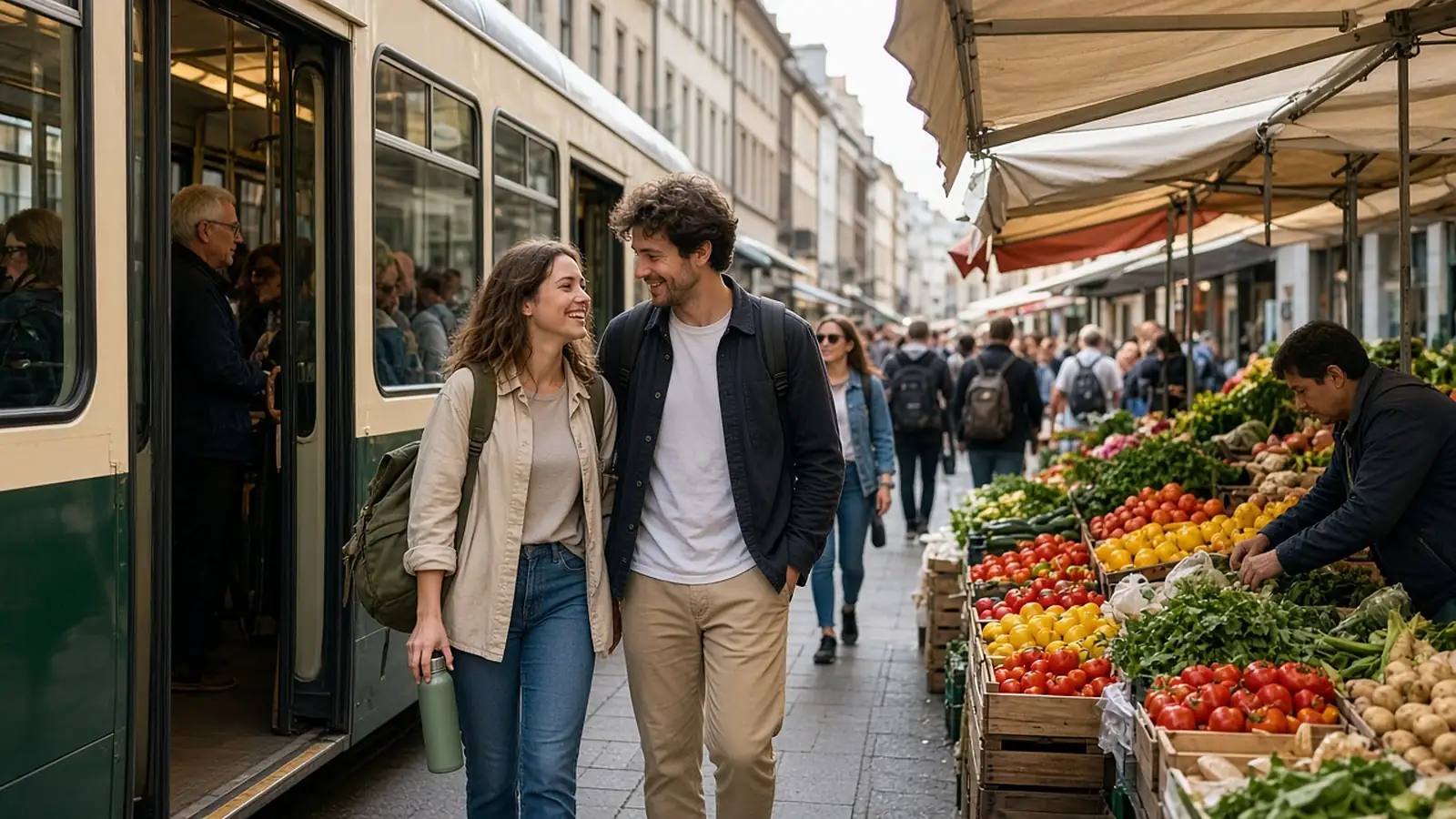
Some of the best trips don't involve a passport at all. A weekend two hours from home, a town you've driven past a dozen times, a state park you keep meaning to visit: local trips cost a fraction of a big vacation and you can take them more often. Here's how to get the most out of them without spending much.
1. Plan loosely, book the two things that matter
For a local trip you usually only need to lock in two things: where you're sleeping (if you're staying over) and anything with limited capacity, like a popular tour, a campsite, or a timed-entry park. Everything else can stay flexible. Flexibility is where the savings are: going Sunday to Tuesday instead of Friday to Sunday often gets you a cheaper room and quieter trails.
- Go midweek or in shoulder season. Rates at hotels and short-term rentals near tourist areas tend to drop outside weekends and school holidays.
- Check the calendar before you pick a date. A local festival can be the reason to go, or the reason every room in town is booked.
2. Use public transit where it works
If your destination has decent buses, trains, or a tram, use them. You skip parking fees and the hassle of finding a spot, and you see the place at street level. Many regions sell day passes that make hopping between neighborhoods cheap. If transit doesn't reach where you're going, carpooling with friends and splitting gas is the next best thing.
3. Lean on free and low-cost attractions
Most towns have more free things to do than visitors realize:
- Public parks, botanical gardens, waterfronts, and scenic drives
- Museums with free admission or free days (check each museum's own site for the current schedule)
- Free walking tours, often tip-based and run by locals
- Farmers markets, open studios, and library or community events
Your local tourism board's event calendar and community boards are the fastest way to find what's on during your dates.
4. Get outdoors
Hiking trails, beaches, lakes, and bike paths are usually free or close to it. State and national parks charge entry or parking fees in many places, so if you visit several times a year, an annual pass can pay for itself. Pack layers, water, and snacks, and check trail conditions and closures before you leave.
5. Eat like a local, and pack a picnic
Food is where local trips quietly get expensive. A few habits keep it in check:
- Pack breakfast and snacks, and make lunch a picnic from a local market or bakery.
- Eat your "nice" meal at lunch, when many restaurants have cheaper menus than at dinner.
- Ask the people who work at the market or your hotel where they eat. It's usually cheaper and better than the places on the main street.
6. Stay smart (or don't stay at all)
If the destination is within a couple of hours, a long day trip can be just as good as an overnight. If you do stay, compare a simple hotel, a guesthouse, and a campsite or cabin. Staying with friends or family nearby is the cheapest option of all, and a good excuse to visit them.
7. Use apps and alerts, but don't overdo it
Price-tracking tools for hotels and transport, local deal sites, and the newsletters of attractions you like can surface discounts. Loyalty programs are worth joining for brands you already use. Set a couple of alerts and then stop checking. Hours spent hunting for a $5 saving aren't free either.
8. Travel slowly
Instead of trying to see a whole region in a weekend, pick one town or one neighborhood and get to know it. You spend less on transport, you're less tired, and you end up with the kind of trip you remember: the café you went back to twice, the trail you found by accident.
9. Ask about discounts
Students, seniors, military members, teachers, and groups often get reduced rates on admission and transit. Carry the ID that proves it and ask at the ticket desk, because the discount isn't always posted.
10. Set a simple budget
Before you go, write down four numbers: transport, lodging, food, and activities, plus a small buffer for surprises. A budget on a phone note is enough. It keeps a cheap weekend cheap and helps you decide where to splurge.
11. Pack light
A small bag makes transit easier, saves you baggage fees if you fly, and means you're not tied to the car. Bring layers you can mix and match and a refillable water bottle.
Make your souvenirs free
Skip the gift shop. Photos, a short trip journal, a ticket stub, or a postcard you mail to yourself make better keepsakes than most things you can buy, and they cost next to nothing.
The bottom line
Local travel rewards a little planning and a lot of curiosity. Pick your dates with care, book only what needs booking, use transit and free attractions, and eat where the locals eat. You'll come home with money left over for the next trip.